Vision
Development complete · preview online

The adventure continues

Ready to take
the wheel?

Leave your email to be notified when Vision launches.

Your platform

Thank you! We'll let you know as soon as Vision is available.

Invalid email address.

Please tick the box to agree to be notified.

Too many attempts, please try again in an hour.

Sign-up is temporarily unavailable. Please try again later.

Unreadable request.

One email at launch, no spam.

01 / The preview

Development
is complete.

The car's software and the iPhone and Android apps are done: live video, local Wi-Fi driving, Cardboard mode and safety stop.

The car can already be driven from a phone, with no Internet connection. Here is the prototype on video and in photos.
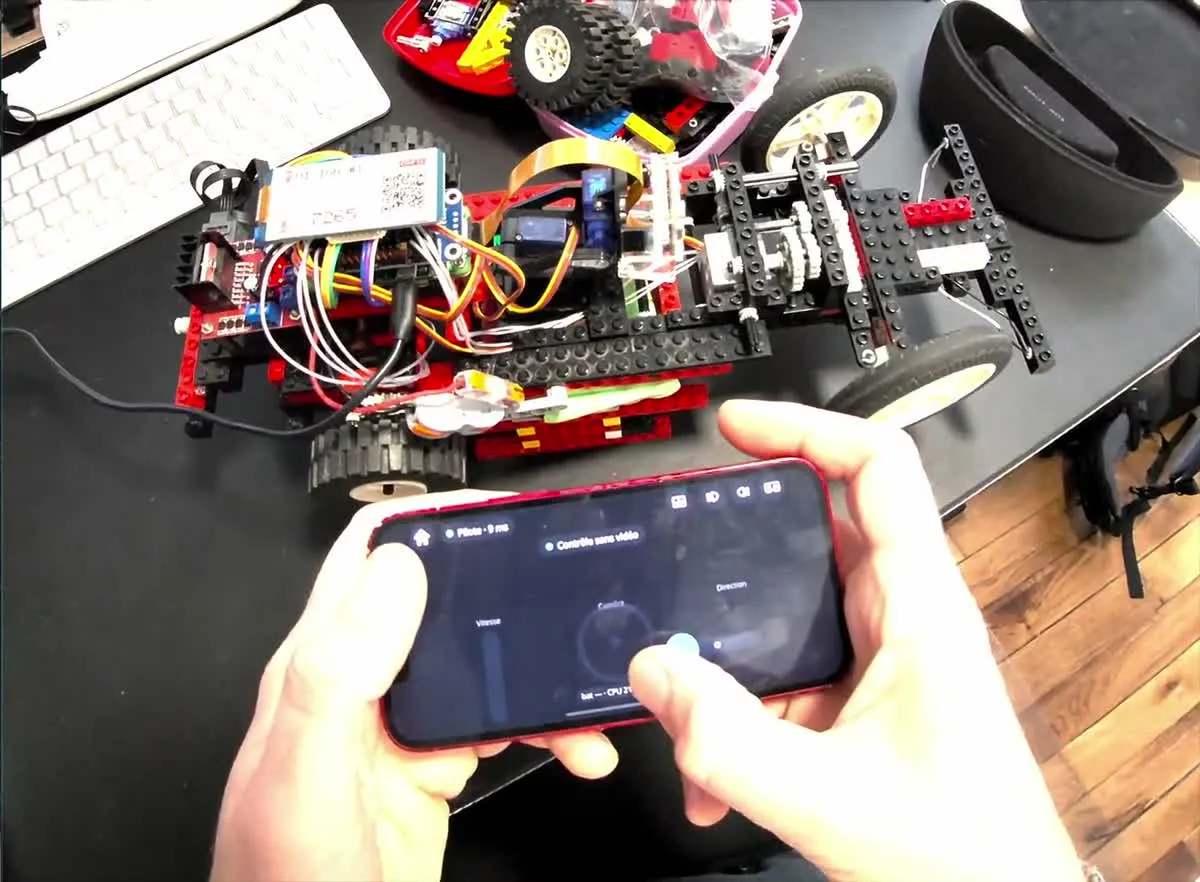
A phone drives the Vision car sitting on its stand Play video
30 s, no sound. The YouTube player only loads when you click.

02 / What's next

More
is coming.

The software is ready. Now for the project itself, in more detail and more polished.

Why this project? To bring my LEGO back to life, see my living room from car height, and bring software, electronics and mechanics together in something you actually build and drive.

03 / Under the hood

It already drives.
And it's all homemade.

I'm Sébastien, developer and creator of Vision. The project brings software, electronics and mechanics together around an object you actually build and drive.

Today the car and the app work together: driving, a camera you can aim, live video, safety stop. Next: the project in detail, then the guide to build your own.
  • Native mobile app
  • Raspberry Pi Zero
  • NoIR camera
  • Servos
  • LEGO bricks
Build guide: in progress. Parts, wiring and setup, step by step.
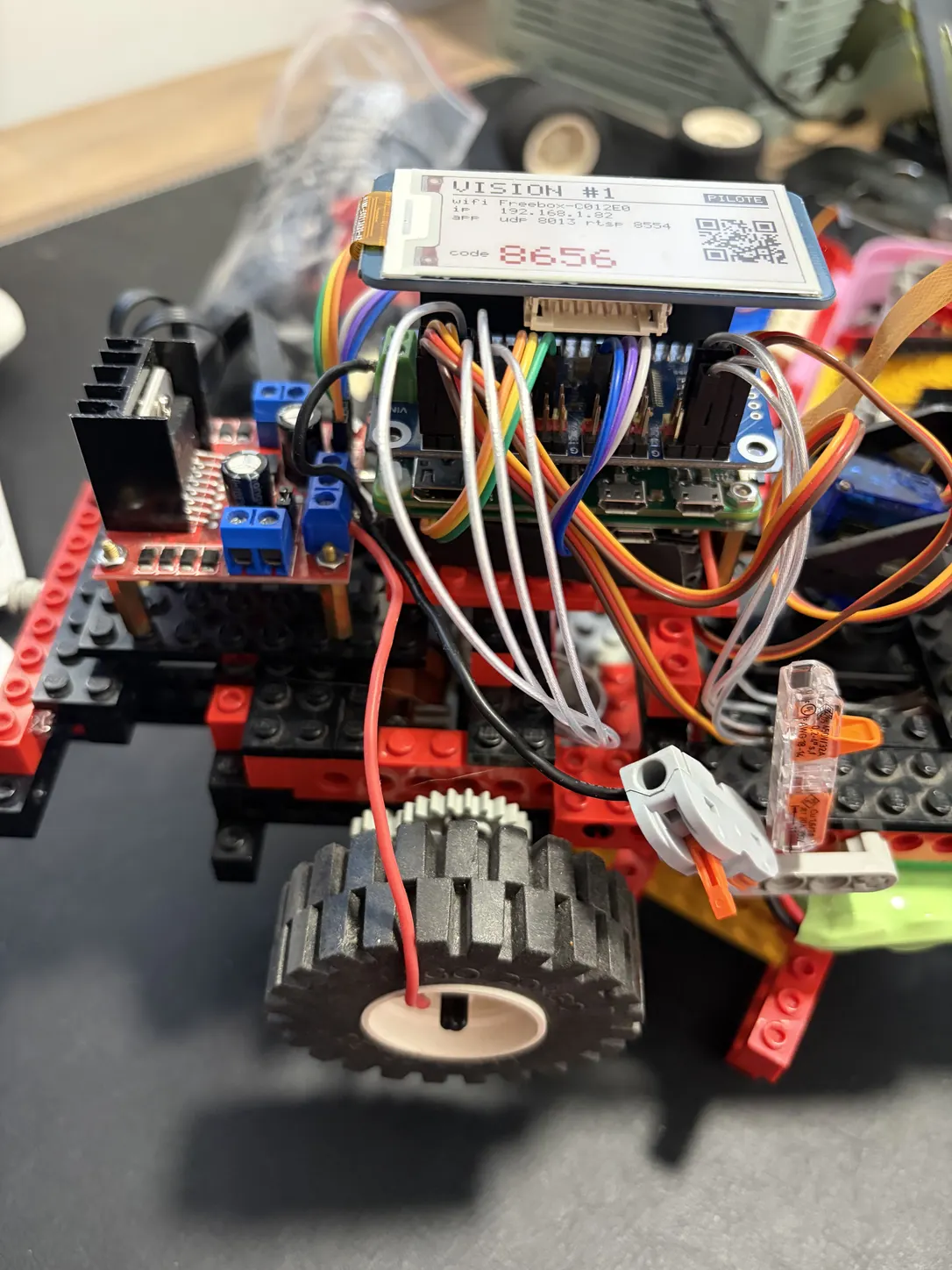
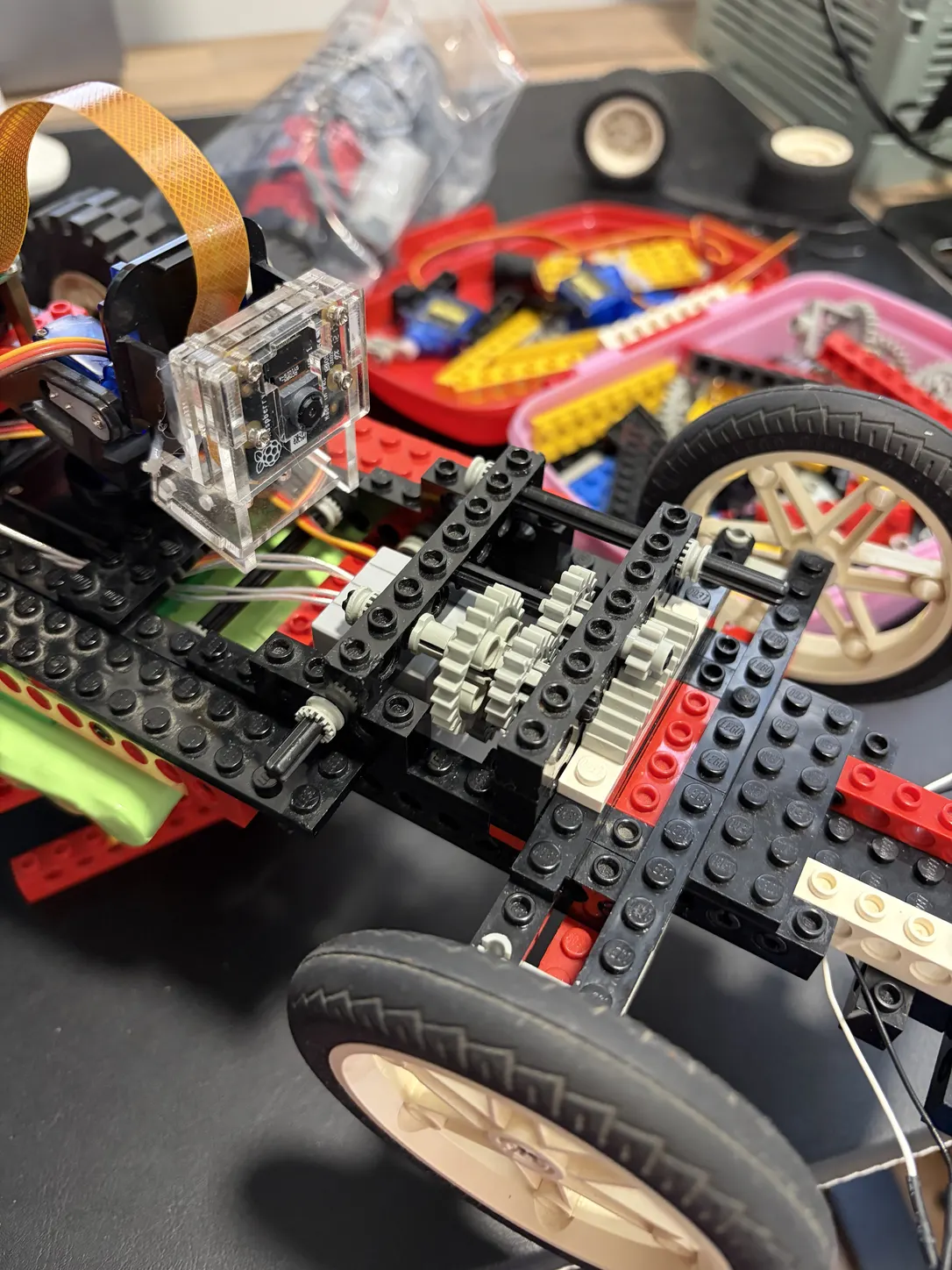
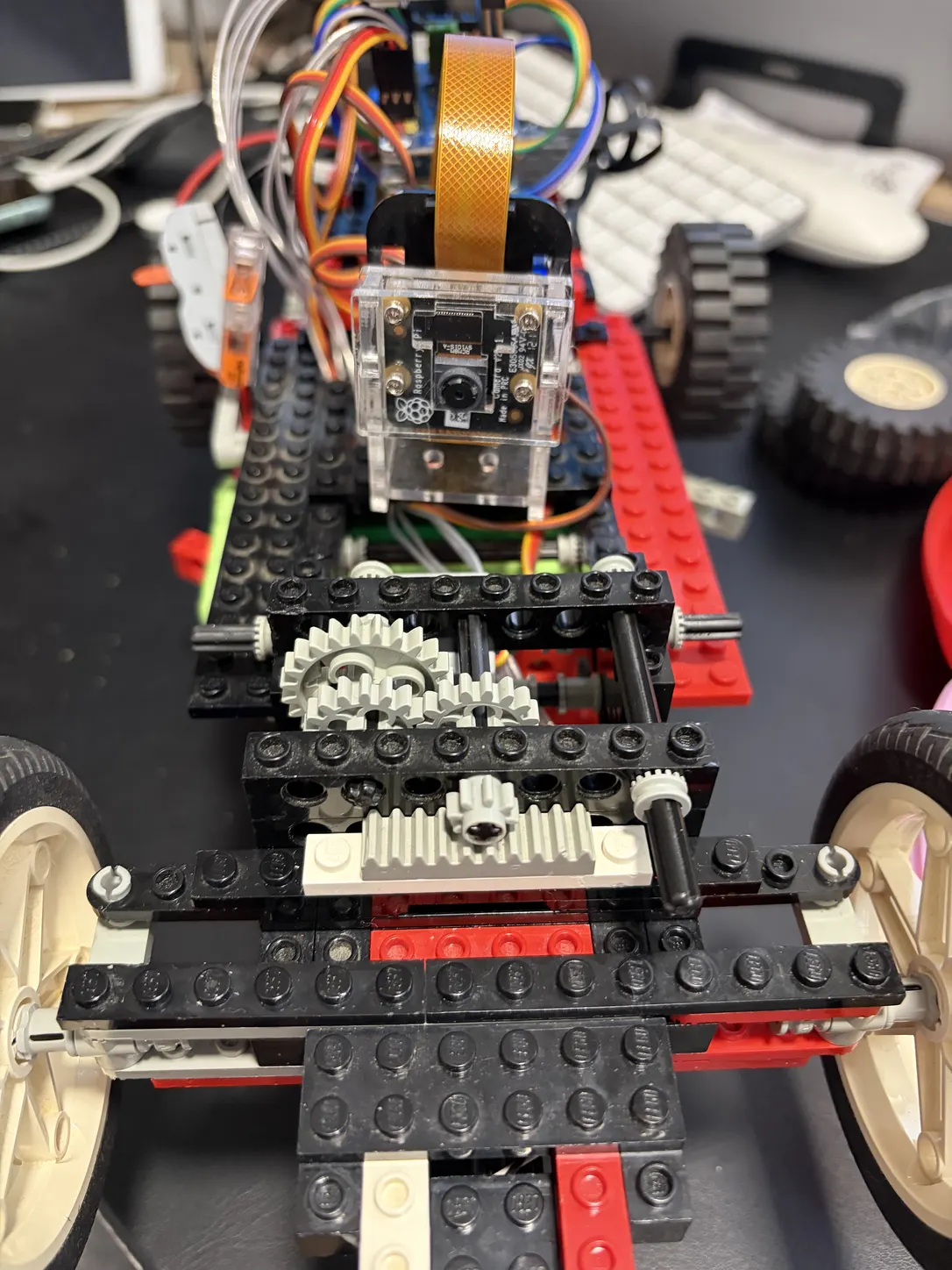
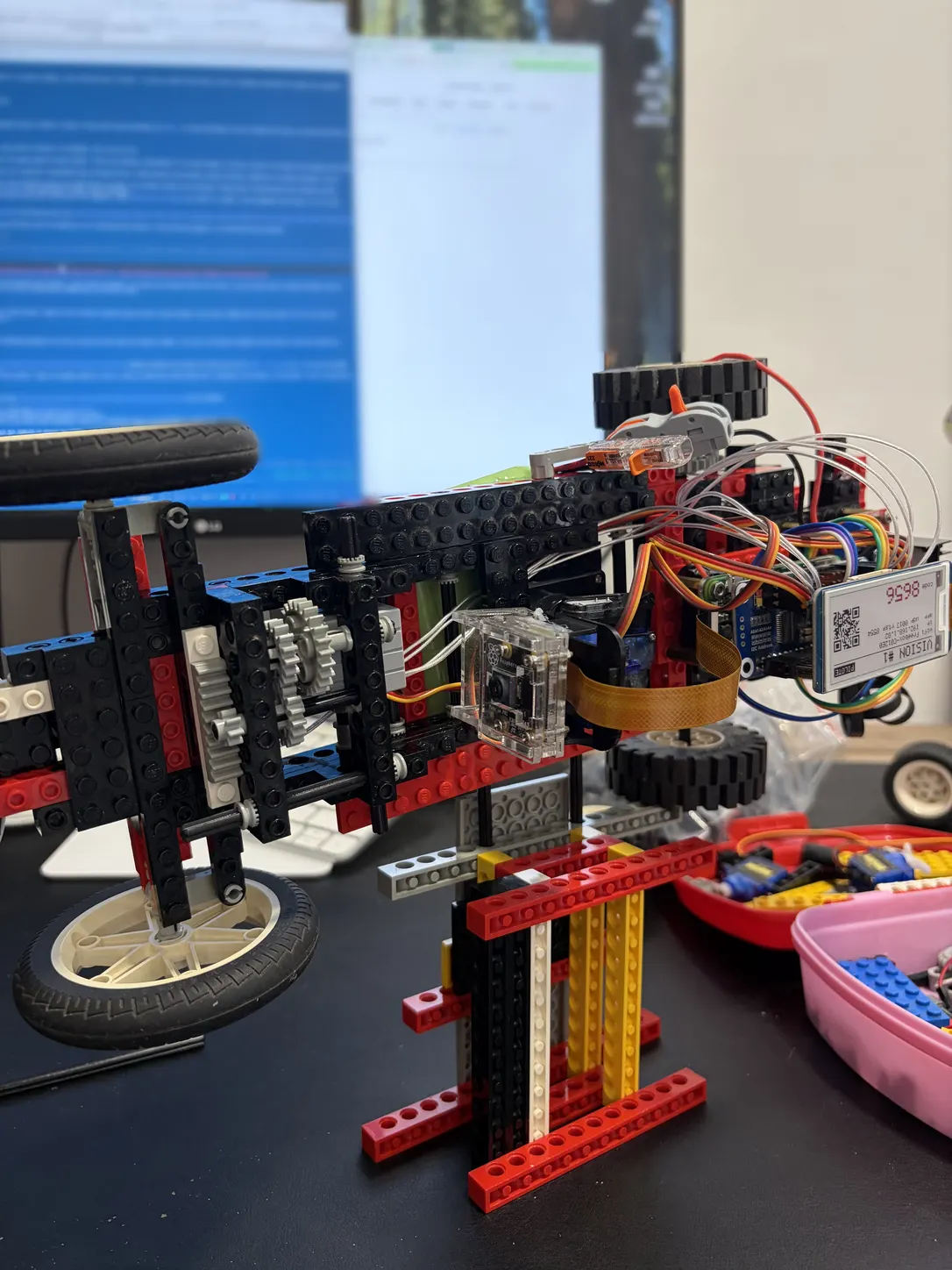
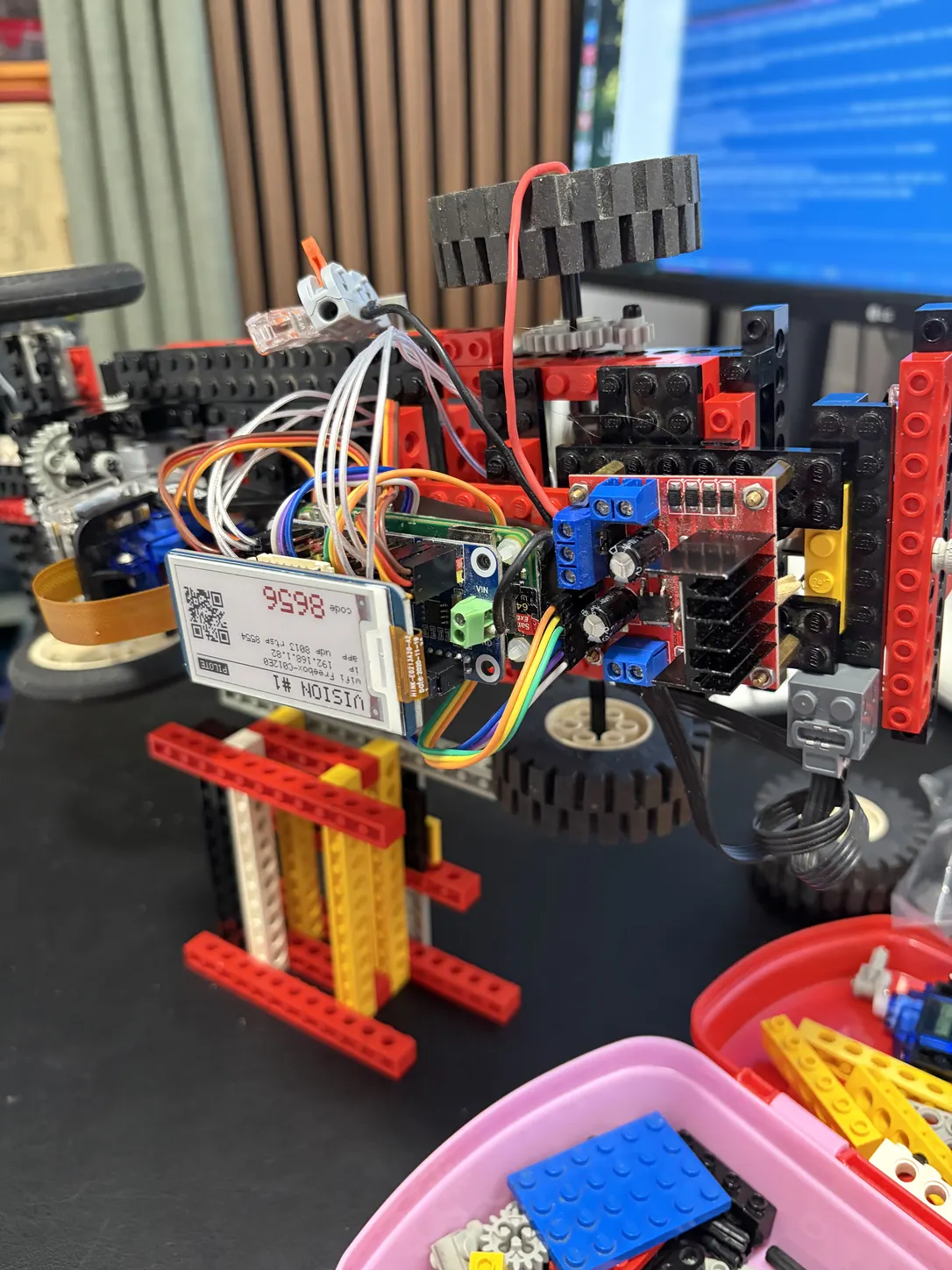
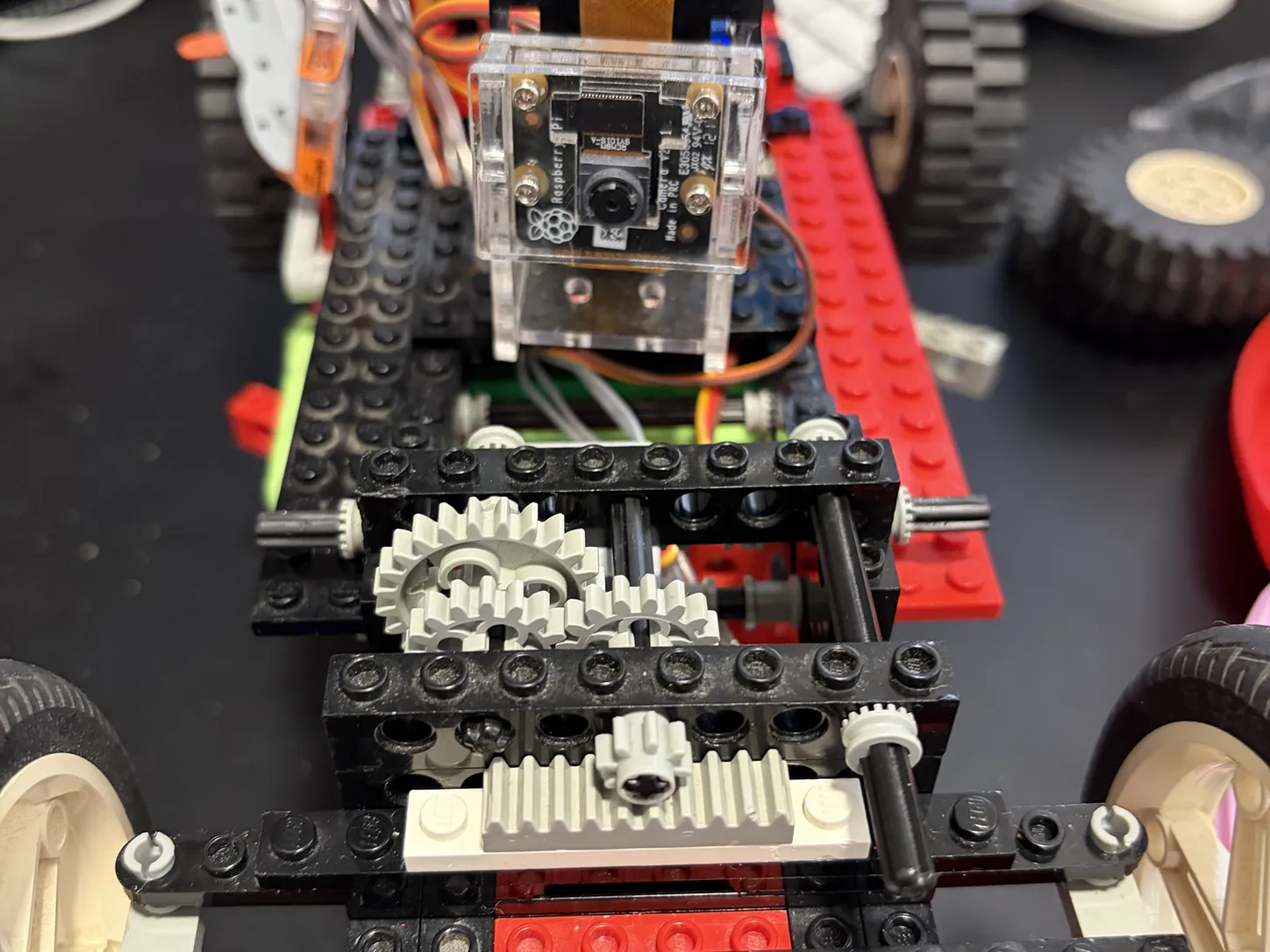
Front view of the prototype: camera in its case, drive gears and steering rack.
  1. PCA9685 servo HAT Steering, turret and lights.
  2. Turret servos Pan and tilt.
  3. NoIR camera The onboard point of view.
  4. Steering Servo and front linkage.
  5. 2.13″ e-paper display Connection details at startup.
  6. L298N motor driver Drives the motors.
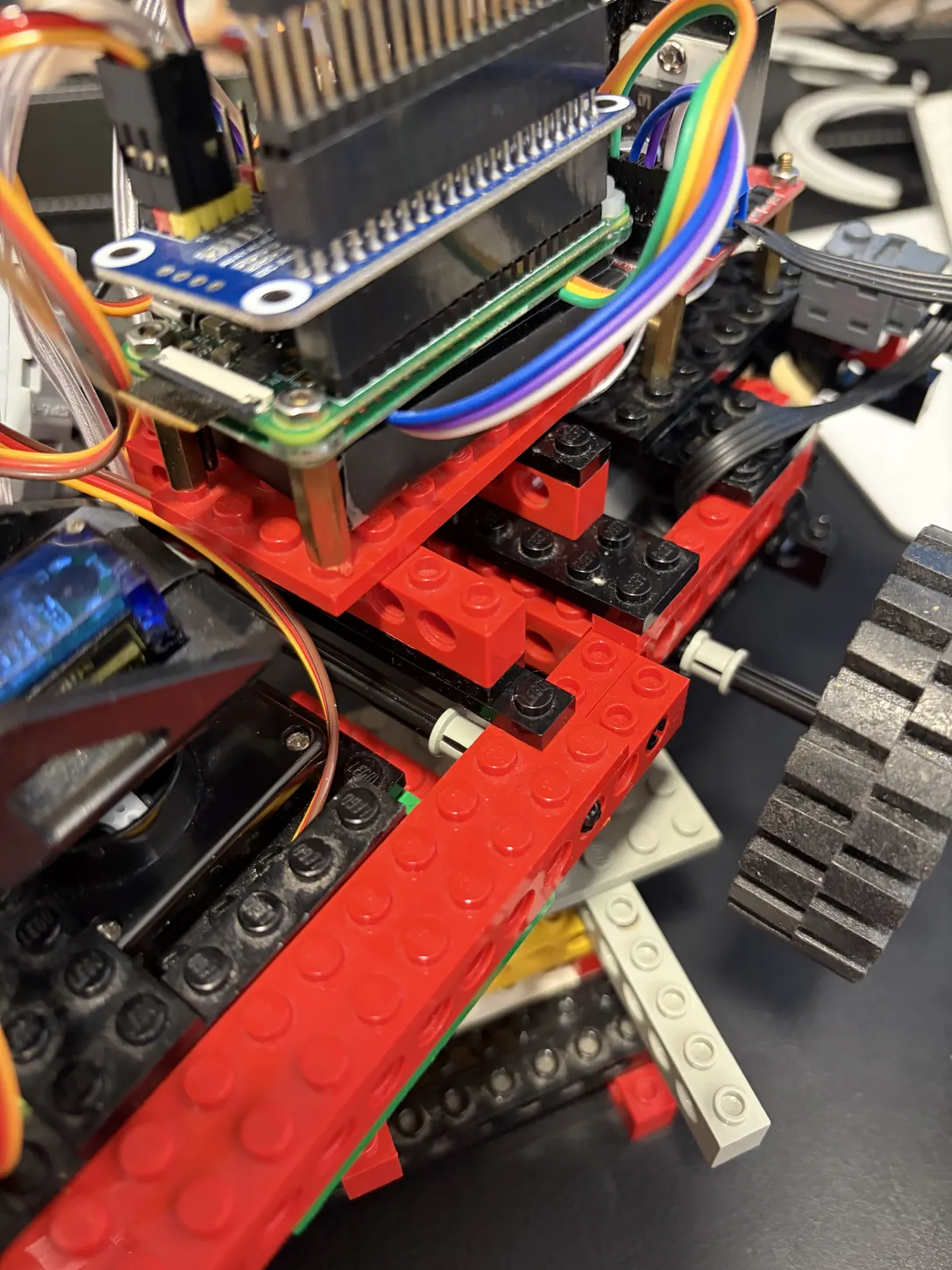
Vision #1, October 2026: camera, drivetrain and steering.

History

Before the preview
October 2026

The page as it was before the video: the concept, the controls simulation, Cardboard and the first annotated prototype.

  1. 2018Built and coded by hand, no AI: just a lot of thinking.
  2. 2026Polished and performance-tuned, in a matter of days.

01 / The concept

Rediscover your bricks.
Change your perspective.

It's not just a remote-control car: it's the joy of building something, then bringing it to life.

01 — Build

Imagine. Build.

LEGO bricks, a Raspberry Pi, servos and a camera: a real vehicle, piece by piece.

02 — Take control

Drive with your finger.

Your phone becomes the remote: speed, steering and a movable camera, over local Wi-Fi, no Internet needed.

03 — Get immersed

Live the ride.

The camera video streams live: rediscover your living room at car height, even in a Cardboard headset.

02 / The experience

Your living room
becomes a racetrack.

A stack of books, a chair leg, a run under the table… Everyday obstacles take on a whole new dimension.

  • Onboard view — the turret camera pans and tilts from your phone.
  • Touch controls — two on-screen sticks, or a gamepad.
  • Safety — the car stops by itself if the link is lost.
VISION / Controls Simulation until the demo

Visual simulation, no car or camera involved: the real demo video is coming soon.

03 / Cardboard

Put on the headset.
Turn your head.

Slide your phone into a Cardboard headset: the app shows the video once per eye, adapted to the lenses. You're on board.

  • The camera follows your head — turn or tilt your head and the turret follows (iPhone).
  • One image per eye — corrected for lens distortion, nothing cropped.
  • Gamepad driving — the headset button recenters the camera, a long press exits.

The first annotated prototype

The parts marked on the first photo of Vision #1.
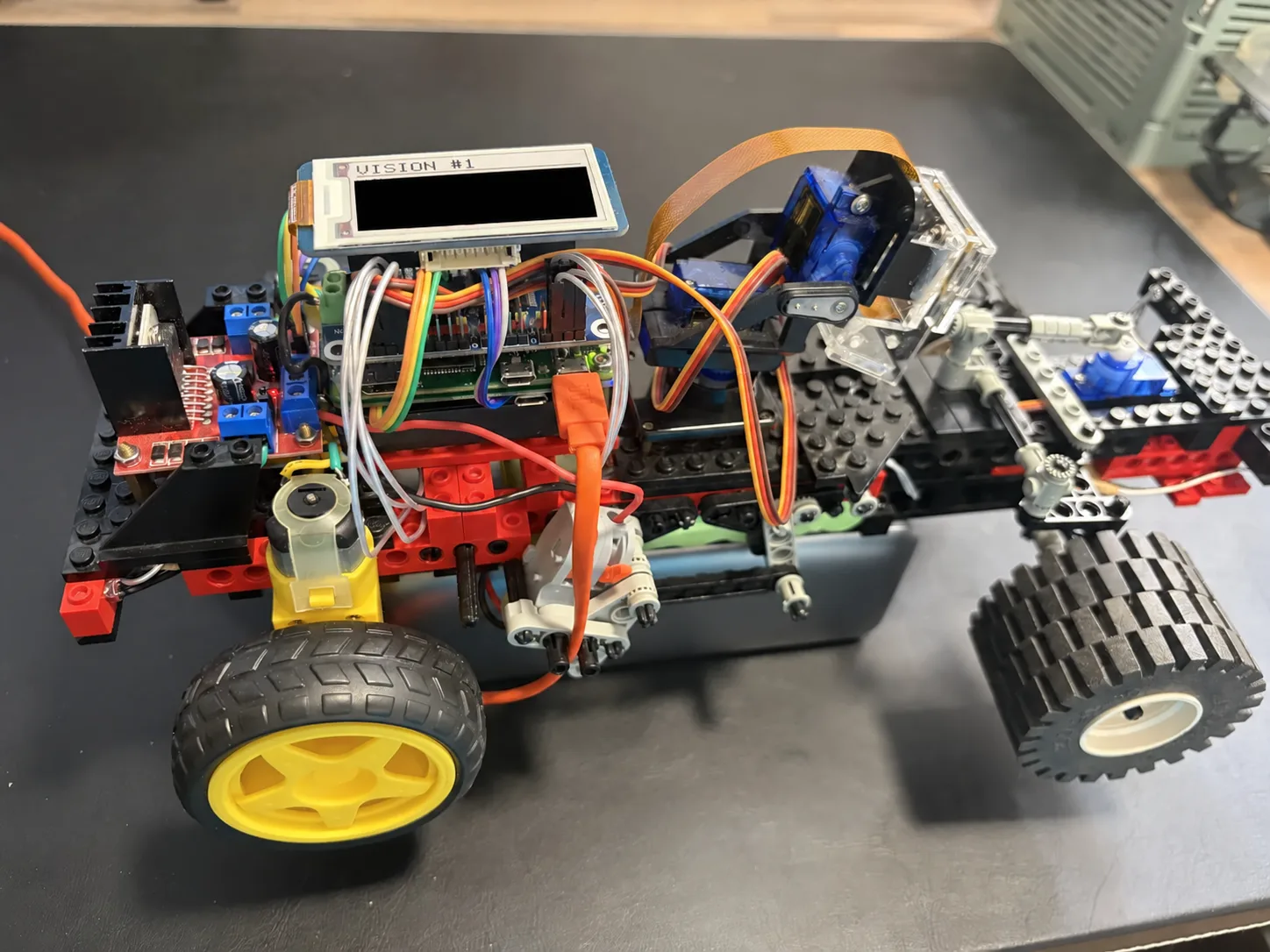
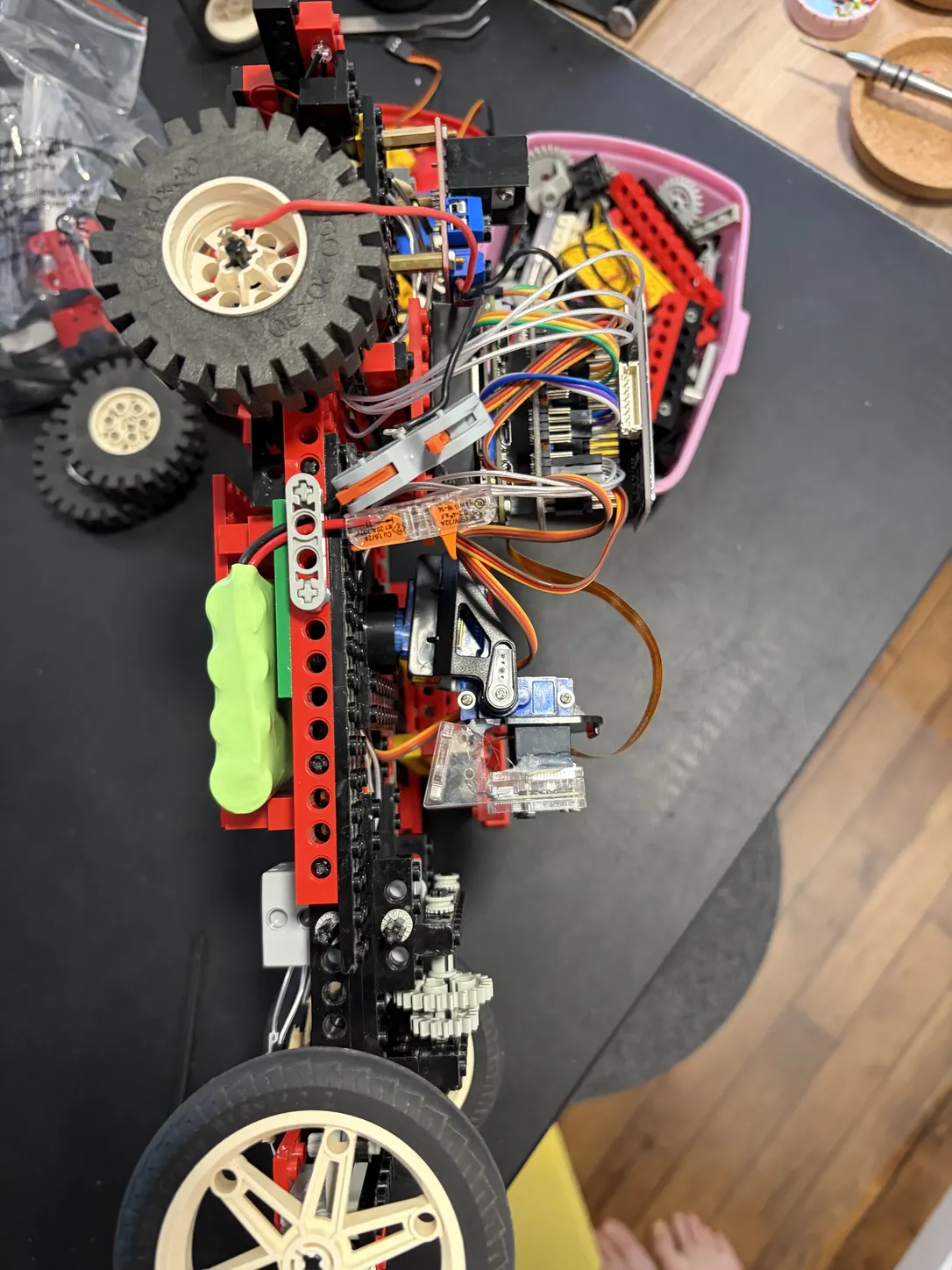
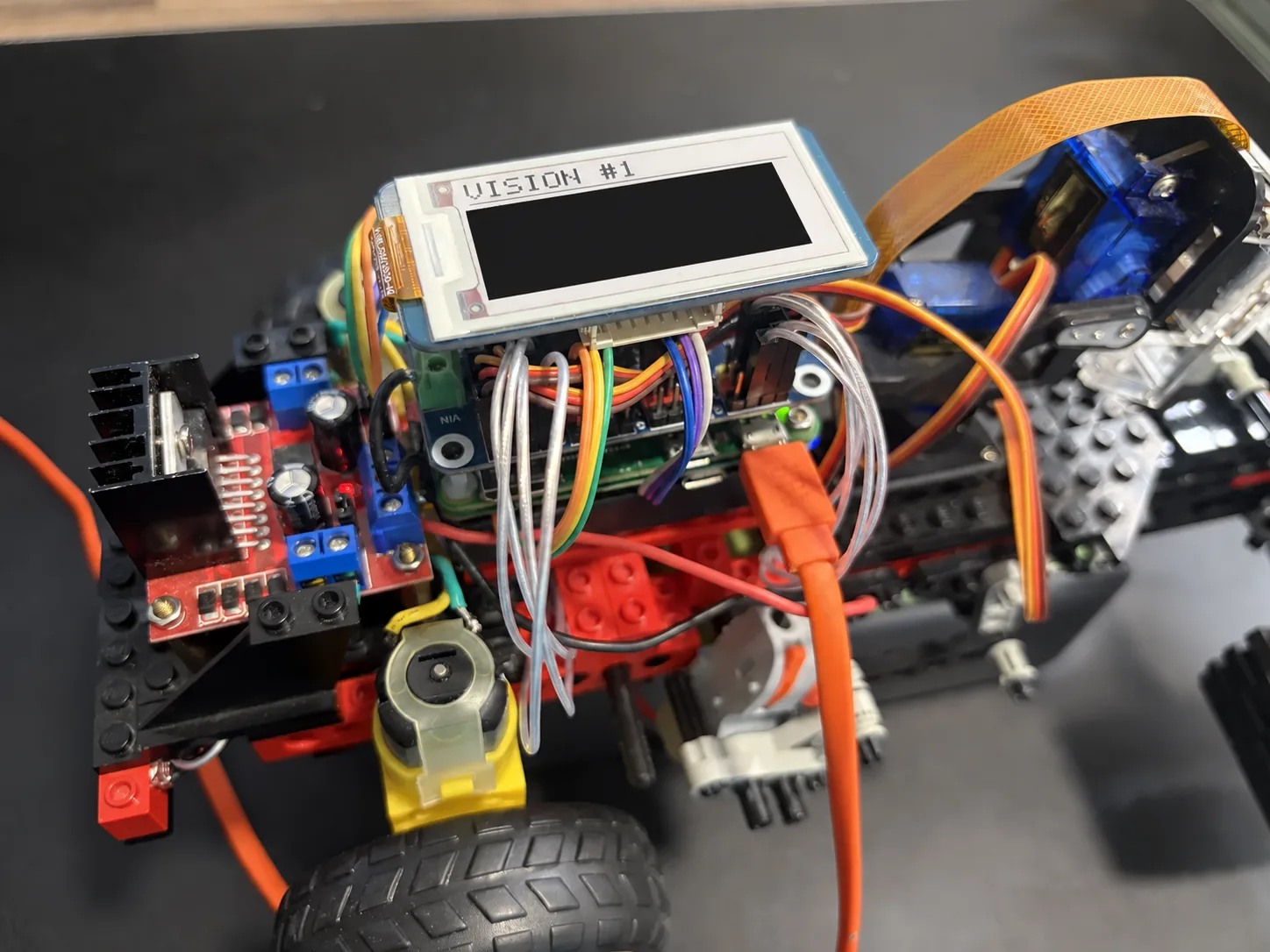
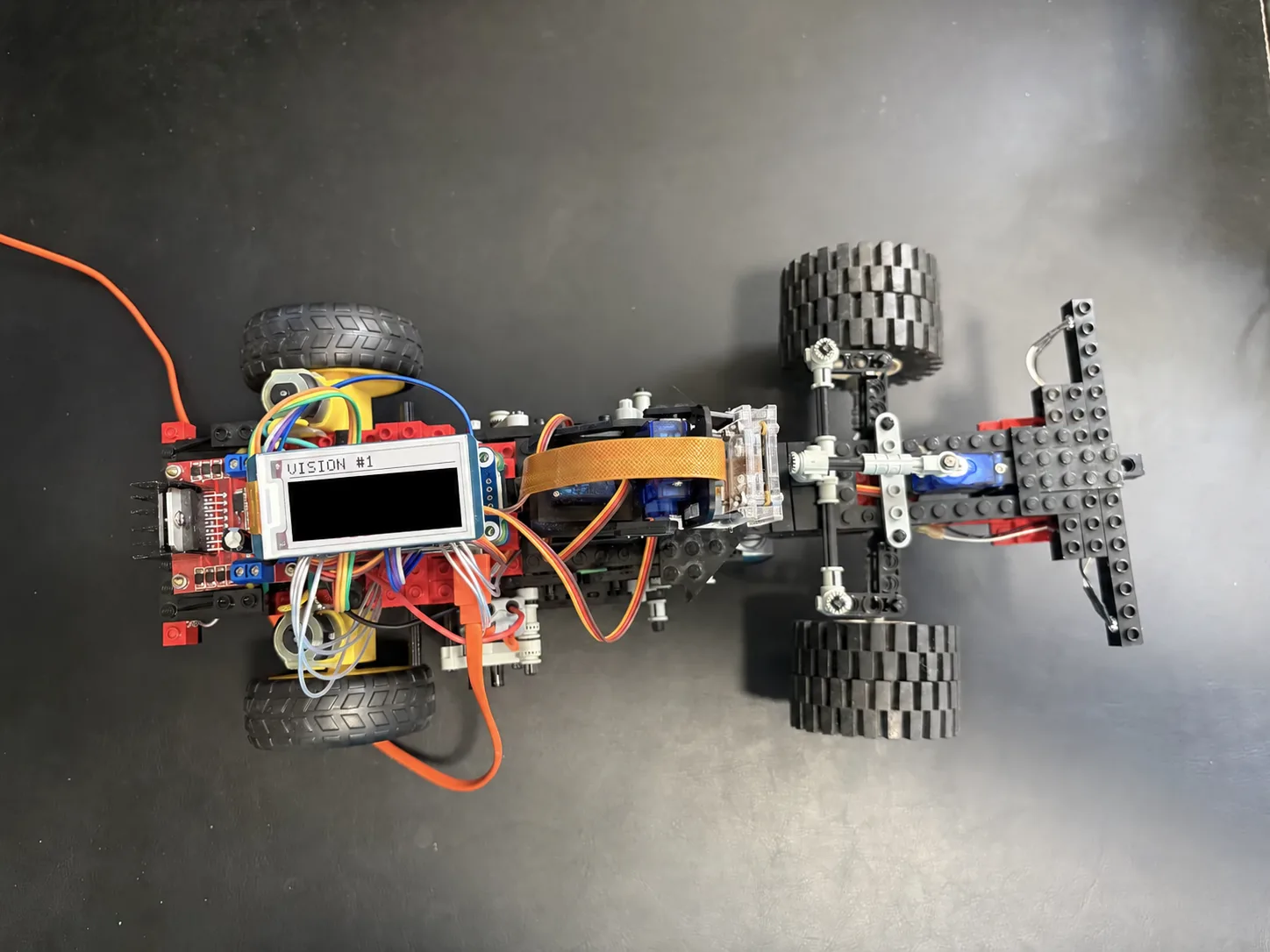
The complete Vision prototype, with e-paper display, L298N motor driver, servo HAT, two-servo turret, NoIR camera and steering mechanism.
  1. PCA9685 servo HATSteering, turret and lights.
  2. Turret servosPan and tilt.
  3. NoIR cameraThe onboard point of view.
  4. SteeringServo and front linkage.
  5. 2.13″ e-paper displayConnection details at startup.
  6. L298N motor driverDrives the motors.
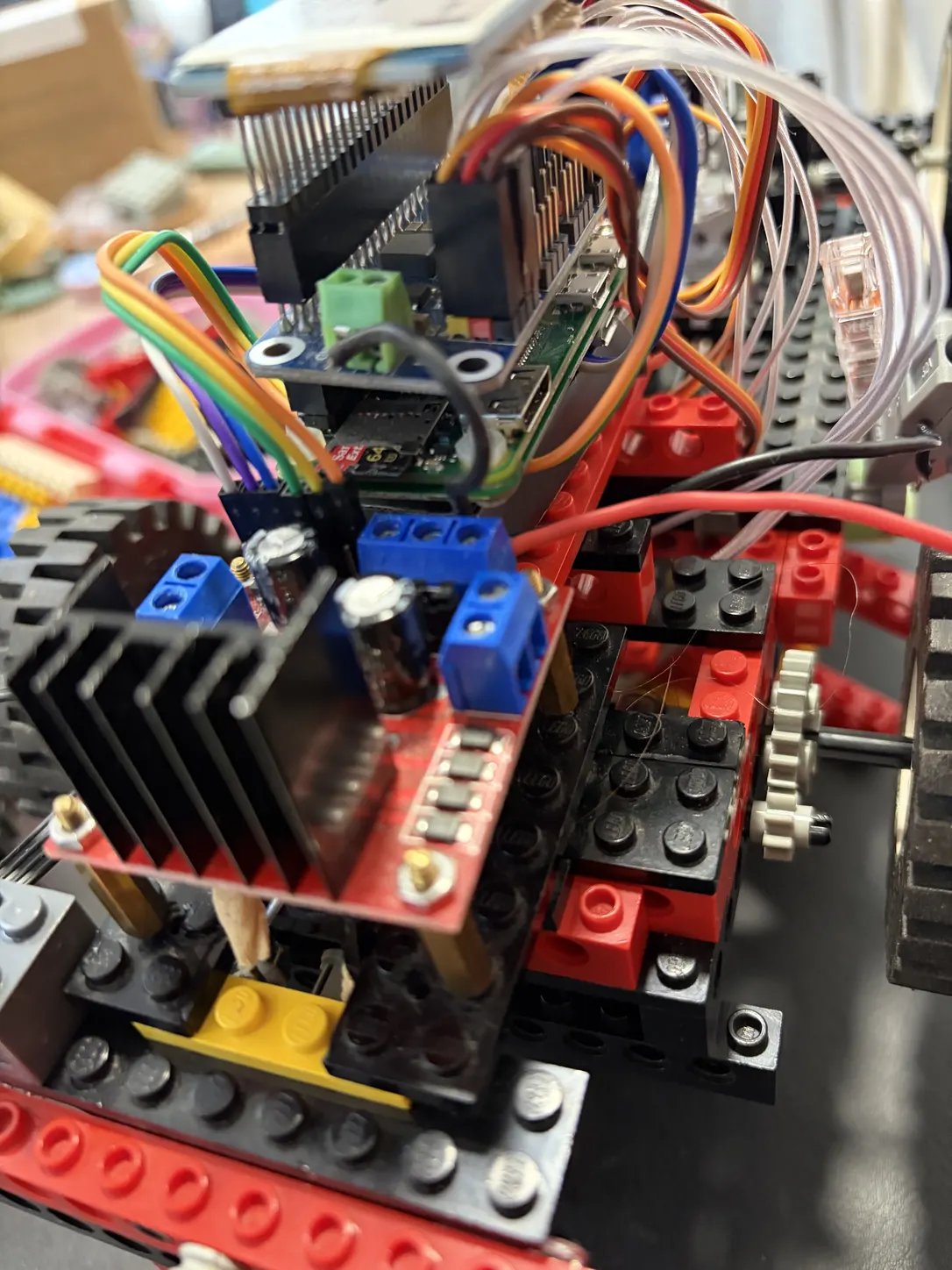
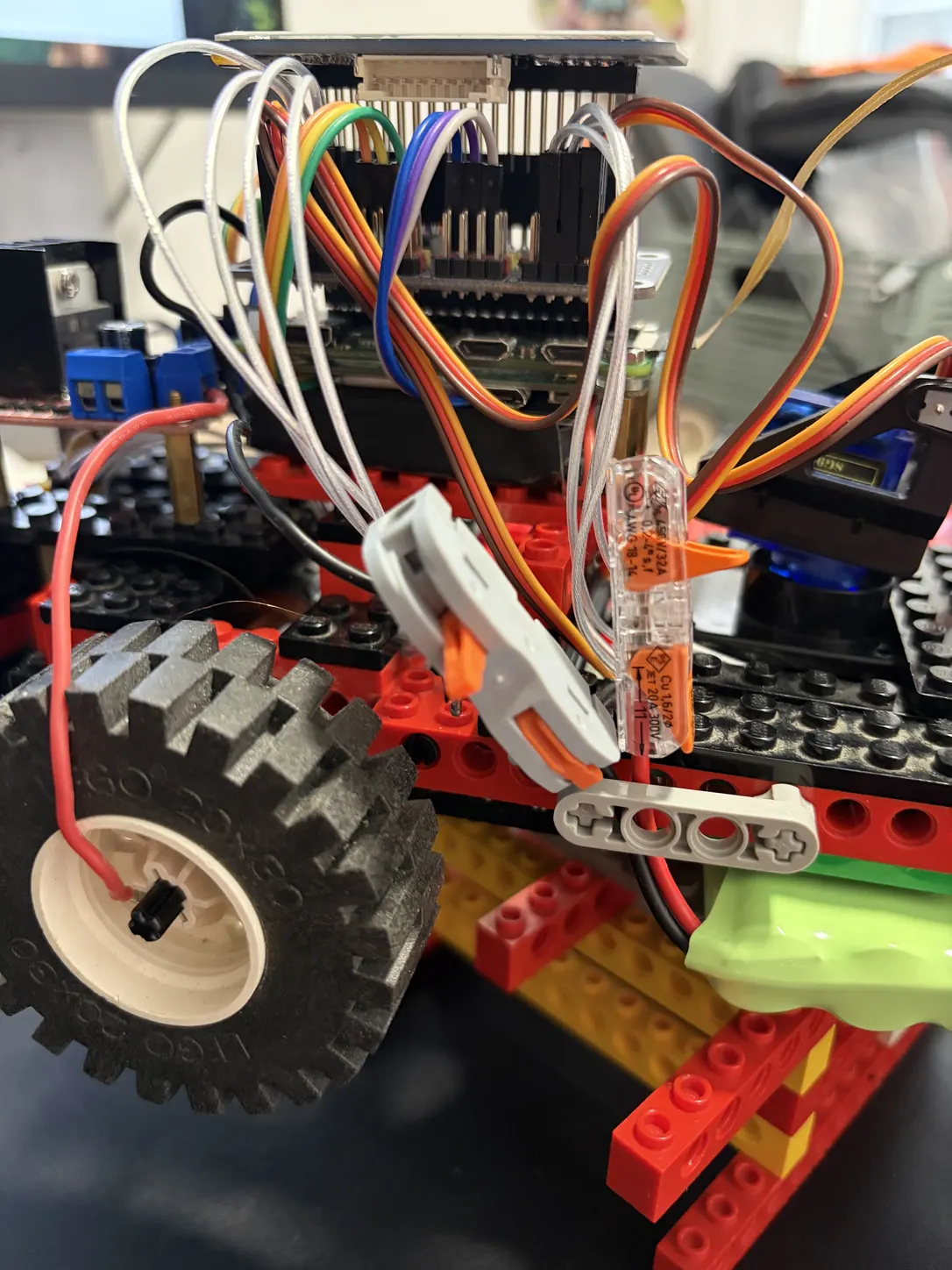
  • Close-up of the masked e-paper display and the electronics.Electronics
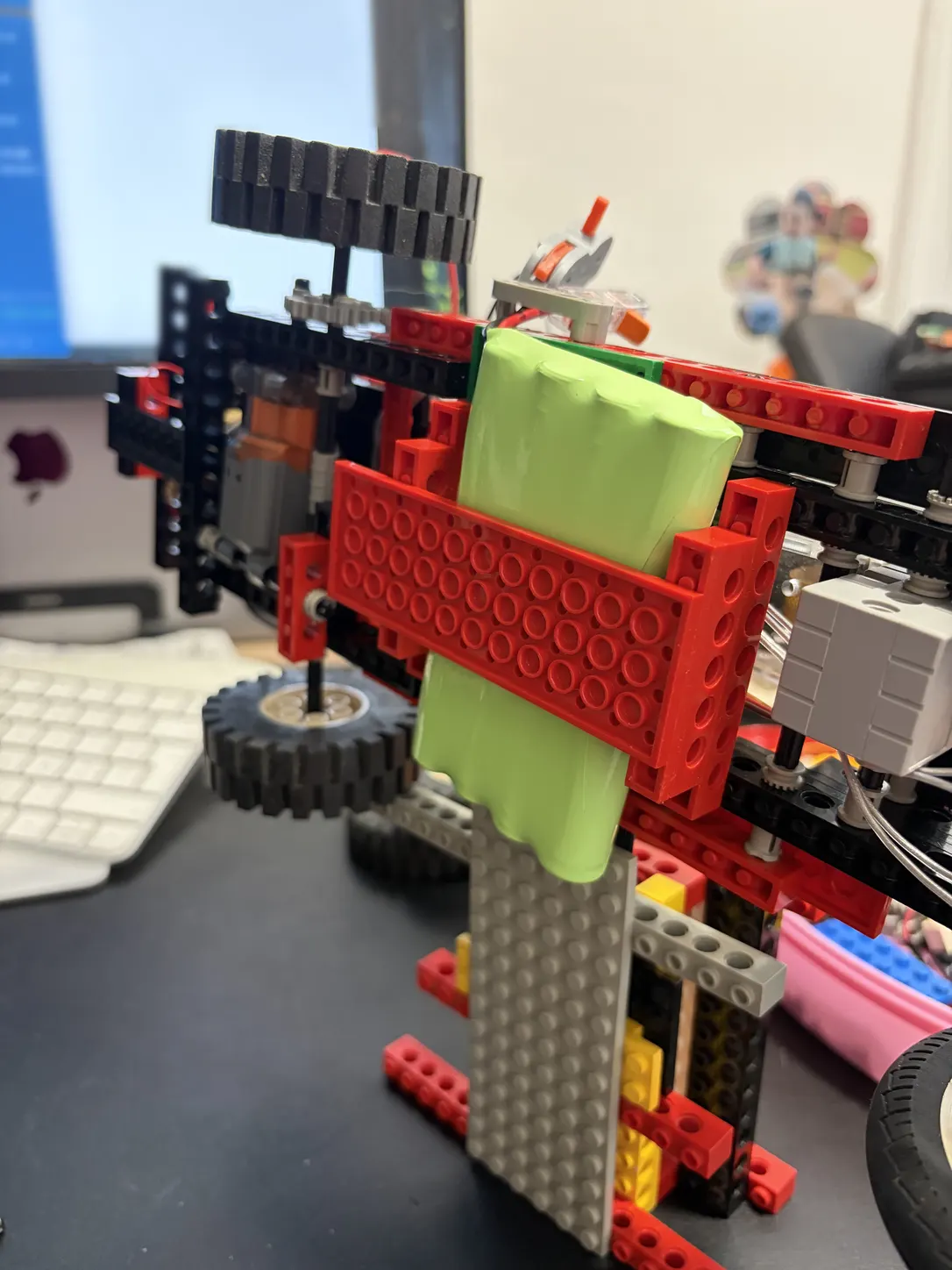
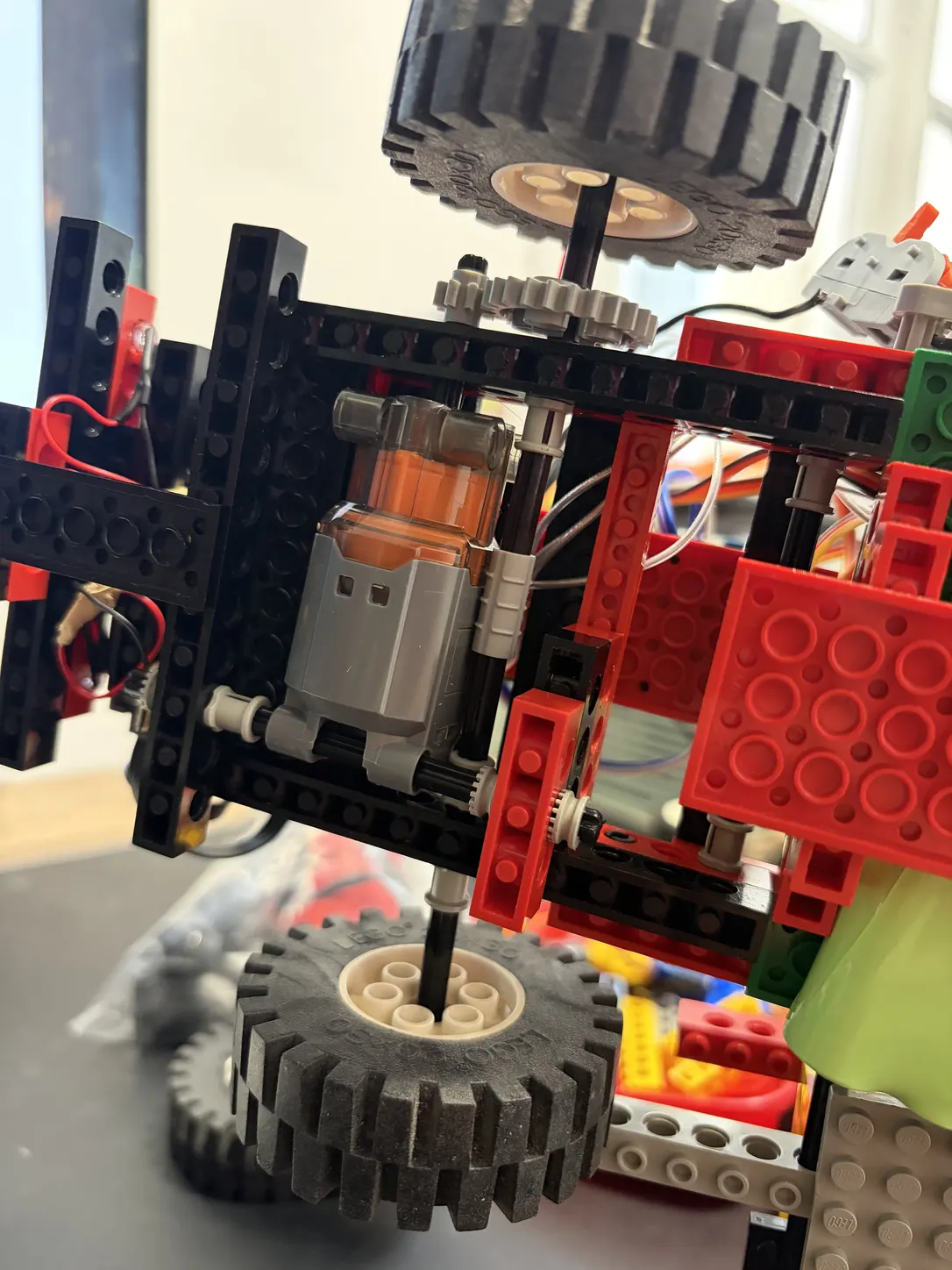
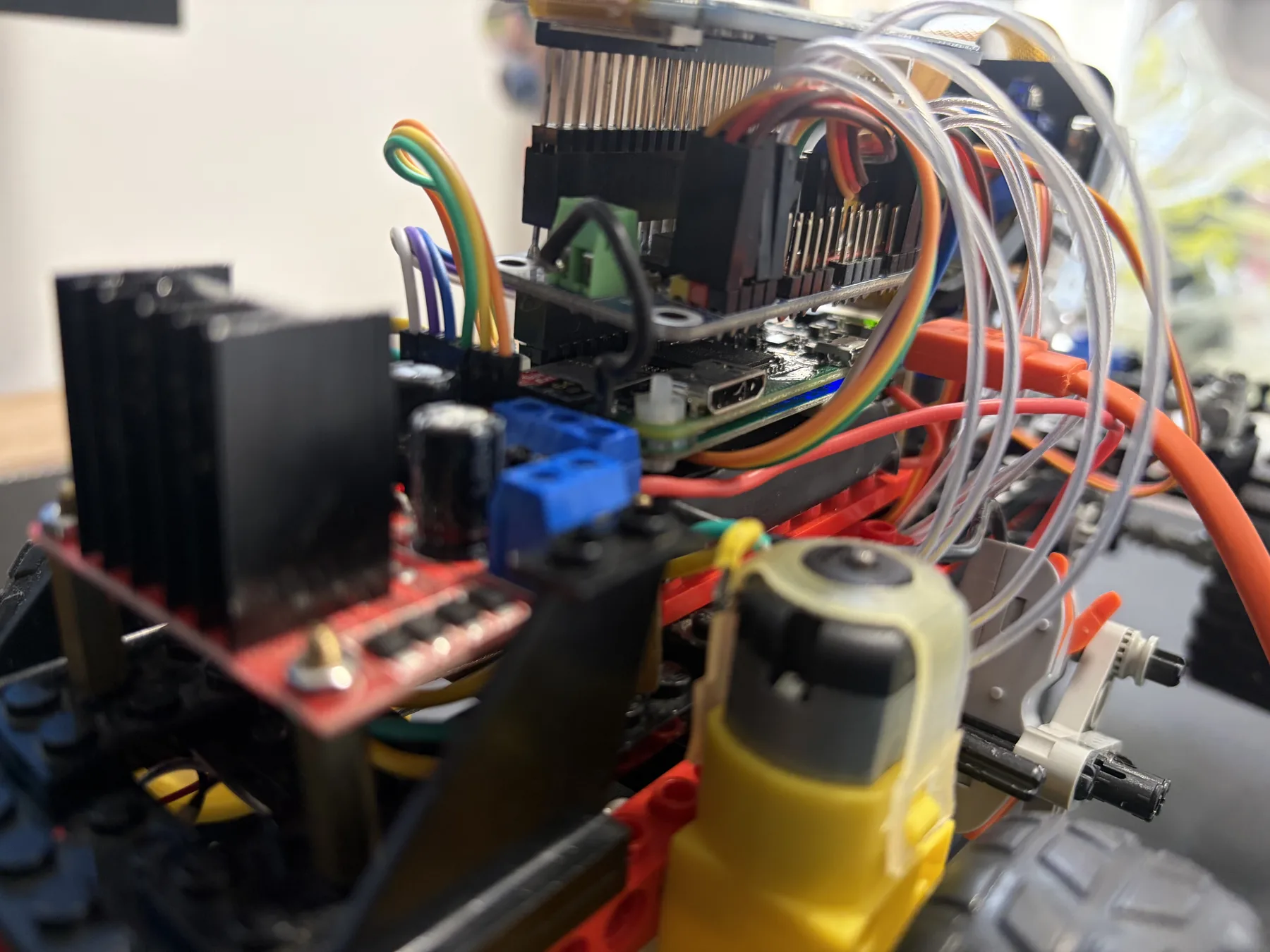
  • Close-up of the prototype's wiring and boards.Wiring
  • Top view of the complete prototype with the e-paper display masked.Top view
Vision #1, the prototype that drives today.